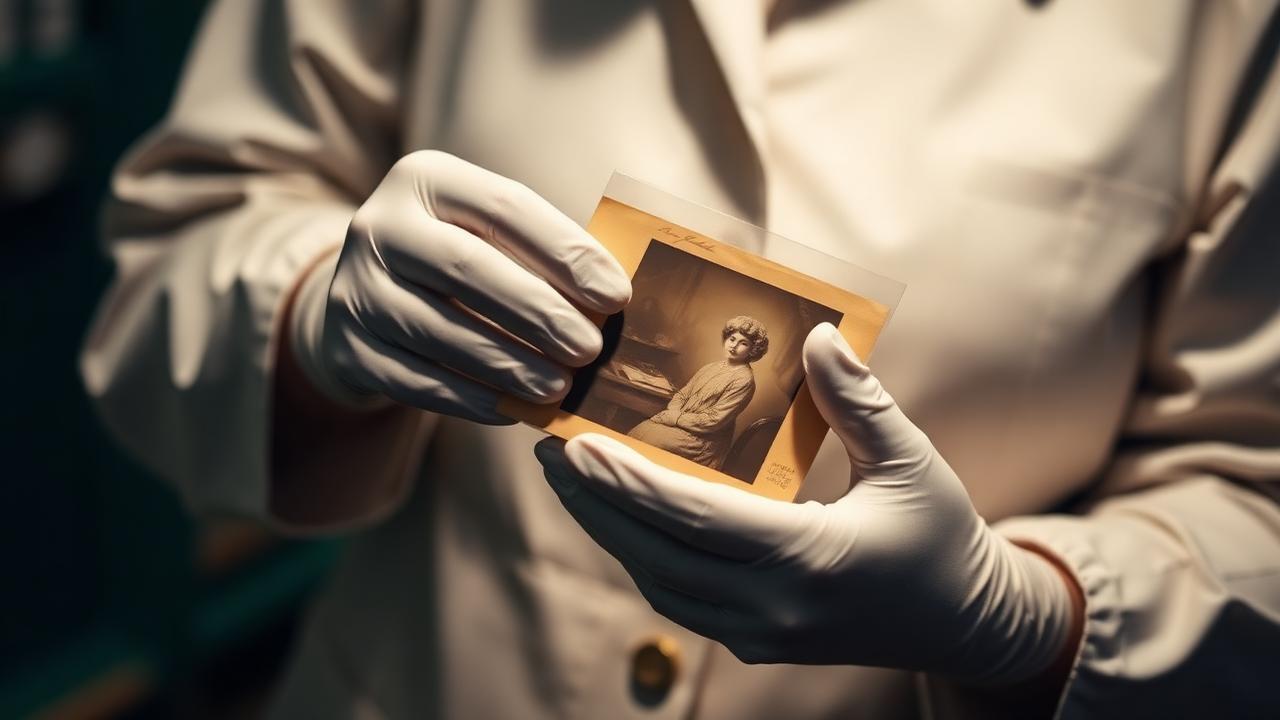
Why the framed photos on your wall are fading faster than the ones in the box
The pictures you display are the ones you're losing. A short guide to light damage and how to keep the wall without the cost.
4 min read
There's an unhappy irony in family archives: the photographs a family loves most are on display, and display is the fastest way to destroy a print. Light fading is cumulative and completely irreversible — no restoration recovers dye that has already gone.
How fast it happens
A colour print in indirect daylight shows visible shift within five to ten years, usually losing cyan first, which is why old wall prints go warm and pinkish. Direct sun does the same damage in one to two years. Black-and-white silver prints are far more stable but still yellow behind acidic mount board.
The obvious fix nobody does
Frame a print, not the print. Have the original scanned, put a copy in the frame, and store the original flat in the dark. The wall looks identical and the archive stops degrading. When the displayed copy fades in a decade, print another.
If the original must stay in the frame
Use UV-filtering glazing, keep it off south-facing walls, and make sure the print isn't touching the glass — condensation between glass and emulsion causes permanent sticking. Acid-free mount board matters more than the frame itself.
Trusted with family archives
Umberdosh Restoration
We digitise family collections by hand from a home studio in Cambridgeshire — archival-grade scans, originals returned tracked and insured, and a fixed rate card so you know exactly what you're paying for.
Related guides across the whole Help hub: What to do with a parent's photos and papers after they move into care, Cleared the house, kept the box: what to do with inherited family photographs, You don't have to sort it all at once — a calm guide to inherited family archives, Grandma's boxes: where to start when you don't know what's inside, How to protect family photos and documents after a bereavement, without rushing, Found a box of old family photos while clearing a house — now what?, VHS to digital: DIY vs professional — an honest comparison, How much does it cost to digitise old family photos in the UK?, Can you still get VHS tapes played? Here's what's actually happening to old tape, 35mm slides in the loft: are they still worth saving?, What actually happens to a VHS tape's picture quality over time, Cine film, slides, cassettes: a plain-English guide to what you might find in an old box, Why acid-free sleeves matter more than people think, How archivists actually store family photographs (and how you can too), The mistakes that damage old photographs faster than time does, Should you ever throw away 'duplicate' family photos? An archivist's view, What museums do differently when handling old paper and photographs, How to start researching your family history from a single box of documents, What can a photograph actually tell a genealogist?, Common family stories that turn out to be (partly) true, How to research one specific family mystery without committing to a full family tree, The best gift for a parent who has everything: their own history, restored, A Christmas gift that isn't a thing: digitising a lifetime of family photos, How to split family photographs between siblings without falling out, What to keep and what to let go: deciding without regret, JPEG or TIFF? Choosing the right file format for scanned photographs, How long do digital files actually last? Backups explained simply, Scanning photos with your phone vs a flatbed: what you actually lose, Storing photographs in a damp British house: what actually works, Looking after 8mm and Super 8 cine film before it's digitised, How to date an undated photograph from clothing, cars and card stock, Recording the stories before they're lost: interviewing older relatives, A golden anniversary gift: their wedding album, restored and shareable