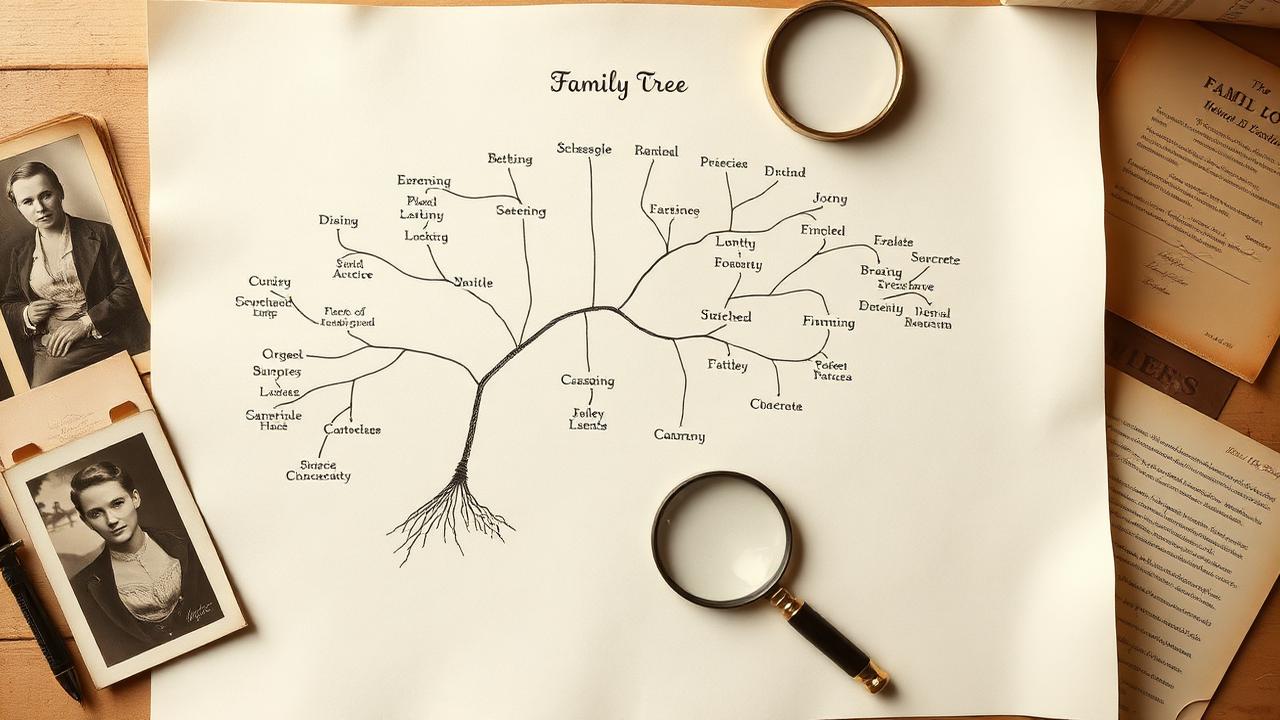
What can a photograph actually tell a genealogist?
A single old photograph often contains more genealogical evidence than a whole page of a census. Here's how to read one.
5 min read
To a family historian, a photograph is a small document. It has metadata (the studio stamp, the paper type, the mount style), it has content (people, clothing, background), and it has provenance (who owned it, who annotated it).
The studio stamp
Studio photographs from the late 1800s to the mid-1900s almost always carry a stamp or embossed name on the front or back. That stamp locates the family to a town — sometimes to a specific street — at a specific time.
The mount style
Photographic mounts follow fashions closely. A carte-de-visite is different from a cabinet card is different from a 1920s folder. Each has a fairly narrow date range.
Clothing and hair
Women's fashions dated more precisely than men's, but both narrow a photograph to a decade at least. A specialist can usually get within 2-3 years.
The back
Half the value of a photograph is on the back. Handwriting, developer marks, dedications ('To Auntie Vera, love Sid') — these are the pieces that connect an image to the tree.
Trusted with family archives
Umberdosh Restoration
We digitise family collections by hand from a home studio in Cambridgeshire — archival-grade scans, originals returned tracked and insured, and a fixed rate card so you know exactly what you're paying for.
Related guides across the whole Help hub: What to do with a parent's photos and papers after they move into care, Cleared the house, kept the box: what to do with inherited family photographs, You don't have to sort it all at once — a calm guide to inherited family archives, Grandma's boxes: where to start when you don't know what's inside, How to protect family photos and documents after a bereavement, without rushing, Found a box of old family photos while clearing a house — now what?, VHS to digital: DIY vs professional — an honest comparison, How much does it cost to digitise old family photos in the UK?, Can you still get VHS tapes played? Here's what's actually happening to old tape, 35mm slides in the loft: are they still worth saving?, What actually happens to a VHS tape's picture quality over time, Cine film, slides, cassettes: a plain-English guide to what you might find in an old box, Why acid-free sleeves matter more than people think, How archivists actually store family photographs (and how you can too), The mistakes that damage old photographs faster than time does, Should you ever throw away 'duplicate' family photos? An archivist's view, What museums do differently when handling old paper and photographs, How to start researching your family history from a single box of documents, Common family stories that turn out to be (partly) true, How to research one specific family mystery without committing to a full family tree, The best gift for a parent who has everything: their own history, restored, A Christmas gift that isn't a thing: digitising a lifetime of family photos, How to split family photographs between siblings without falling out, What to keep and what to let go: deciding without regret, JPEG or TIFF? Choosing the right file format for scanned photographs, How long do digital files actually last? Backups explained simply, Scanning photos with your phone vs a flatbed: what you actually lose, Storing photographs in a damp British house: what actually works, Looking after 8mm and Super 8 cine film before it's digitised, Why the framed photos on your wall are fading faster than the ones in the box, How to date an undated photograph from clothing, cars and card stock, Recording the stories before they're lost: interviewing older relatives, A golden anniversary gift: their wedding album, restored and shareable